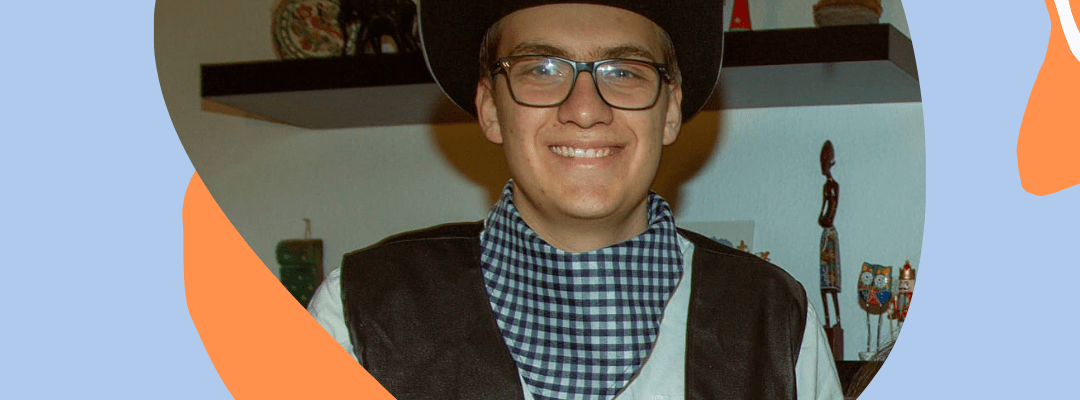

Hola a tothom, em dic Pepe Begier. Tinc 20 anys i sóc d’Alemanya. Allà, visc a Lübeck, una ciutat a l’extrem nord del país a prop d’Hamburg (Hamburg és molt més famosa, així que hi ha una petita possibilitat que pugueu localitzar la meva ciutat natal al vostre cap).
Tothom que estigui llegint activament els reportatges d’experiència dels voluntaris de La Víbria aquest any notarà que no és la primera vegada que escric sobre la meva vida aquí a Terrassa com a voluntari de l’ESC. El desembre de 2023 es va publicar el meu primer text. A aquells que no l’hagin llegit, els recomano molt que ho facin. Allà podreu conèixer més sobre mi, la meva motivació pel voluntariat i les meves primeres experiències aquí a Terrassa. En aquest text faré referència a alguns dels temes i sens dubte us ajudaria a entendre millor aquest text.
Després de formar part de Prodis des de fa uns 7 mesos, em sento molt inclòs en el treball diari de l’organització. En el meu primer text vaig escriure sobre l’oportunitat de presentar i gestionar les meves pròpies activitats i les meves primeres experiències i ara he desenvolupat realment aquest tipus de treball. Òbviament encara tinc activitats més grans juntament amb altres voluntaris i professionals, però les meves pròpies activitats com el bàsquet, la petanca (més coneguda com a Boule), el ping-pong i altres tenen una gran part de la meva programació setmanal. M’agrada molt haver pogut establir un vincle personal amb els meus grups d’usuaris i ser part constant de la seva setmana. Entre haver pogut trobar el meu lloc a l’organització i la millora de les meves competències en llengua castellana, ja no lluito amb la sensació d’improductivitat. Em vaig adonar de la importància de la meva presència per a les persones amb qui estic treballant i la sensació de ser inútil, tot i que tècnicament sabia que no ho era, ha desaparegut completament.
Però en aquest text m’agradaria parlar menys de la meva feina a Prodis i més de les experiències que he viscut en el meu temps lliure i el meu dia a dia aquí a Terrassa. Moltes d’aquestes experiències estan relacionades amb la cultura i les tradicions espanyoles/catalanes. Com a cultura, normalment descrivim patrons d’acció i expressió transmesos socialment. La cultura material es refereix a objectes físics, com ara habitatges, roba, eines i artesania. La cultura també inclou les arts, les creences, el coneixement i la tecnologia. El concepte de cultura està fortament relacionat amb les tradicions.
Aquí a Terrassa vaig poder viure moltes tradicions locals que eren completament noves per a mi. M’agradaria compartir-ne alguns amb vosaltres ara. La primera gran tradició que vaig conèixer és la “Castanyada”, que dura diversos dies al voltant del 31 d’octubre. Originalment, aquest dia era un dia per honrar els avantpassats i menjar menjar de temporada només amb la família propera. Actualment és sobretot una ocasió per celebrar el final de l’estiu i la temporada de tardor. El menjar més important d’aquesta tradició és la “Castanya”. Es tracta d’una castanya rostida que venen els locals per totes les ciutats. Fins i tot als supermercats hi ha dolços i begudes especials per celebrar la Castanyada.
Una tradició que la majoria de la gent celebra o almenys coneix és el Nadal. Evidentment a l’Espanya molt cristiana/Catalunya el Nadal també és una de les tradicions més importants. Però sobretot a Catalunya les tradicions nadalenques són molt diferents a les que conec d’Alemanya. Una gran part del Nadal català és la tradició del “Caga Tió”. Aquesta és una figura que la majoria de famílies fan (o compren). És un petit tronc d’arbre amb la cara pintada i pals per simular les potes. Té un barret clàssic que es diu “Barretina”. Un complement molt important del Caga Tió és una gran manta a la part posterior de la figura. Els dies previs a Nadal sobretot els nens cuiden aquesta figura i l’alimenten. Per Nadal hi ballen al voltant i canten una cançó on demanen a la figura que cagui els regals. Sovint, fan servir un pal de fusta per colpejar la figura mentre canten aquesta cançó especial. Al cap d’una estona aixequen la manta i hi troben tots els regals a sota. Després que el Caga Tió ha complert la seva finalitat les famílies el cremen a la llar de foc. Així que d’alguna manera aquesta figura és el Pare Noel català i porta tots els regals i dolços als nens.
Un altre dia molt important per als catalans és “St. Jordi”. Sant Jordi és el patró de Catalunya des de l’any 1094 i les tradicions d’aquest dia tan especial són molt semblants al dia de Sant Valentí d’altres països. Originalment els homes solien regalar una rosa amb un bri d’herba a la dona que estimaven i la dona els donava un llibre a canvi. Naturalment, els rols de gènere ja no són tan estrictes, de manera que tant homes com dones poden regalar llibres o roses ara. La diada de Sant Jordi és una celebració de l’amor i del patriotisme català que és REALMENT important per a la gent de Catalunya.
Siguin quines siguin les especialitats de la vostra cultura, siguin quines siguin les tradicions que celebreu (i com d’estranyes poden semblar a la gent d’altres països), la majoria tenen alguna cosa en comú. Les tradicions simbolitzen la consciència de la nostra cultura i normes, la importància de les comunitats i, el més important, simbolitzen divertir-se junts i donar a la gent alguns dies de l’any per esperar.
Si he après una cosa de les tones de noves tradicions que estic coneixent de la cultura catalana, aleshores hauria de pensar més sovint en les tradicions que tinc al meu país i al meu territori. Que és important buscar similituds i diferències entre tradicions d’arreu del món i analitzar amb quins punts clau es tracten. Perquè, al cap i a la fi, tots som humans, tots tenim les mateixes normes i valors humanístics, i tots estem desitjant que arribin alguns dies de l’any per celebrar-ho amb les persones que estimem.


English version 🇬🇧
Hello everybody, my name is Pepe Begier. I am 20 years old and from Germany. There, I live in Lübeck, a city in the far north of the country near Hamburg (Hamburg is much more famous, so there is a little chance you guys can locate my hometown in your heads).
Everyone who is actively reading the experience reports by the La Vibria volunteers this year will notice that this is not the first time I am writing about my life here in Terrassa as an ESC-volunteer. In December 2023 my first text got published. To those that did not read it, I would strongly recommend doing so. There you can learn more about me, my motivation for volunteering and my first experiences here in Terrassa. In this text I will reference some of the topics and it would definitely help you to follow.
After being part of Prodis for about 7 months now I feel really included in the daily work of the organization. In my first text I wrote about the opportunity to introduce and handle my own activities and my first experiences with it and now I have really developed this kind of work. I obviously still have some bigger activities together with other volunteers and professionals, but my own activities like Basketball, Petanca (better known as Boule), Ping-Pong and others play a big part of my weekly schedule. I really like that I was able to build a personal bond with my groups of people and be a constant part of their week. Among having been able to find my place in the organization and my improving Spanish language skills, I don’t struggle with the feeling of unproductiveness at all anymore. I realized the importance of my presence for the people I am working with and the feeling that of being useless, even though I technically knew I wasn’t, is completely gone.
But in this text, I would like to speak less about my work at Prodis and more about the experiences I have made in my free time and daily life here in Terrassa. Many of those experiences are connected to Spanish/Catalan culture and traditions.
As culture, we normally describe socially transmitted patterns of action and expression. Material culture refers to physical objects, such as dwellings, clothing, tools, and crafts. Culture also includes arts, beliefs, knowledge, and technology. The concept of culture is strongly connected with traditions.
Here in Terrassa, I was able to experience many local traditions that were completely new for me. I would like to share some of those with you now.
The first really big tradition I learned about is the “Castanyada“, which takes up multiple days around the 31st of October. Originally this day was a day of honoring one’s ancestors and eating seasonal food together just with close family. Nowadays it’s mainly an occasion to celebrate the end of summer and the fall season. The most important food to eat for this tradition is the „Castaña“. This is a roasted chestnut locals sell all over the cities. Even in the supermarkets there are special sweets and drinks to celebrate the Castanyada.
A tradition that most of the people celebrate or at least know about is Christmas. Obviously in the highly christian Spain/Catalunya Christmas is one of the most important tradition too. But especially in Catalunya the Christmas traditions are really different to the ones I know from Germany.
One big part of the Catalan Christmas is the tradition of the „Caga Tió“. This is a figure most families craft (or buy). It’s a little tree trunk with a painted face and sticks to simulate the legs. It has a classic hat which is named „Barretina“. A really important accessory of the Caga Tió is a big blanket over the back of the figure. In the days before Christmas especially the kids care for this figure and feed it. At Christmas they dance around it and sing a song where they ask the figure to shit out the presents. Often, they use a wooden stick to hit the figure while singing this special song. After a while they take the blanket away and find all the presents under it. After the Caga Tió fulfilled its purpose the families burn it in the fireplace. So in a way this figure is the Catalan Santa Claus and brings all the presents and sweets to the children.
Another really important day for Catalans is „St. Jordi“. St. Jordi has been the patron of Catalunya since 1094 and the traditions of this special day are really similar to valentine’s day in other countries. Originally the men used to give a rose with a strand of weed to the woman they loved and the woman would give them a book in exchange. Naturally, the gender roles aren’t as strict anymore, so both men and women can gift or be gifted either books or roses now. The day of St. Jordi is a celebration of love and Catalan patriotism which is REALLY important for the people in Catalunya.
Whatever the specialties of your culture are, whatever traditions you are celebrating (and how strange they might seem to people from other countries), most of them have something in common. Traditions symbolize the awareness for our culture and norms, the importance of communities, and most importantly, they symbolize having fun together and giving people some days in the year to look forward to.
If I learned one thing from the tons of new traditions I got to know from the Catalan culture, then that I should think about the traditions I have in my country and region more often. That it’s important to look for similarities and differences between traditions all over the world and analyze what key-points they are dealing with. Because in the end of the day we are all humans, we all have the same humanistic norms and values, and we are all looking forward to some days in the year to celebrate with the people we love.
 LA VIBRIA INTERCULTURAL